In a time where the preferences of consumers are changing quickly, the alcohol-free spirit market is witnessing a dramatic change. This is because the EU and UK are known for their long-standing traditions of alcohol they are witnessing an increase in demand for alcohol-free alternatives. In order to navigate this shifting landscape successfully, businesses need to comprehend the intricacies of market segmentation. In this first part that we will be covering, we will dive into the basics of how market segmentation can be beneficial as well as explore its significance when it comes to alcohol-free spirits.
What is the reason? Market Segmentation is Important
Market segmentation involves the process of dividing a broader market into smaller groups that can be managed that are based on certain characteristics, preferences, and behaviours. It’s a useful instrument to help businesses tailor their products and marketing efforts to meet the unique requirements of the particular segment. This is why segmentation of markets is important:
-
targeted marketing: by identifying different categories of customers in the market companies can craft targeted marketing strategies that meet the distinct preferences and requirements of each segment. This leads to more efficient methods of marketing and increased conversion rates.
-
The ability to customize products: Understanding different market segments lets companies create products that cater to the preferences and needs of every group. This can not only increase satisfaction of customers but also increases brand loyalty.
-
Resource Efficiency: It helps to effectively allocate resources. Instead of implementing a standard approach, businesses can concentrate their efforts on segments that have the highest potential for growth and profitability.
-
The Competitive Advantage Enterprises who effectively divide their markets gain a competitive advantage. They can find gaps in the market. They can also develop distinctive value propositions and differentiate themselves from competition.
-
Customer Retention: Specialized marketing and services result in higher satisfaction with customers, which, in turn can increase retention rates. Customers who are loyal to your brand are more likely to become advocates for your company.
Market for Alcohol-Free Spirits in the EU and UK
Alcohol-Free Spirits: Different Types
Before diving into market segmentation it’s crucial to comprehend the alcohol-free spirits market in the EU or UK. This market has seen a dramatic growth, and an ever increasing amount of alcohol-free spirit choices readily available. The most popular categories are:
-
Alcohol-Free Gins: Produced specifically to capture botanical essence of traditional Gin, alcohol-free gins have the same botanical flavors without the alcohol content. They’re popular due to their ability to be used in cocktails as well in standalone drinks.
-
Alcohol-Free Whiskeys: Whiskeys without alcohol aim to recreate the rich and smoky flavor of whiskey that are traditional. They are ideal for people who enjoy the taste and aroma of whiskey but prefer to abstain from alcohol.
-
Alcohol-Free Vodkas: Alcohol-free spirits offer the fresh and clean flavor that traditional vodkas have without the alcohol. They are incorporated into a variety of mixed drinks and mocktails.
-
Alcohol-Free Rums: Non-alcoholic spirits capture the sweetness and complexity of traditional rums. This makes them a major ingredient in non-alcoholic tropical drinks.
-
Tequilas with no alcohol: These options retain the earthy and agave flavors found in traditional tequilas, creating a great base for non-alcoholic margaritas and cocktails.
The wide range of alcohol-free spirits demonstrates the industry’s commitment to providing a wide range of tastes and preferences. As the demand for these drinks continues to increase understanding market segmentation will become essential for any business looking to thrive in this dynamic landscape.
In the next section, we’ll examine how the consumer’s preferences play a major part in the alcohol-free spirit market segmentation. It will help us understand the motives that force people to choose alcohol-free options. Let’s explore this exciting exploration of how to understand the EU and UK alcohol-free spirit market.
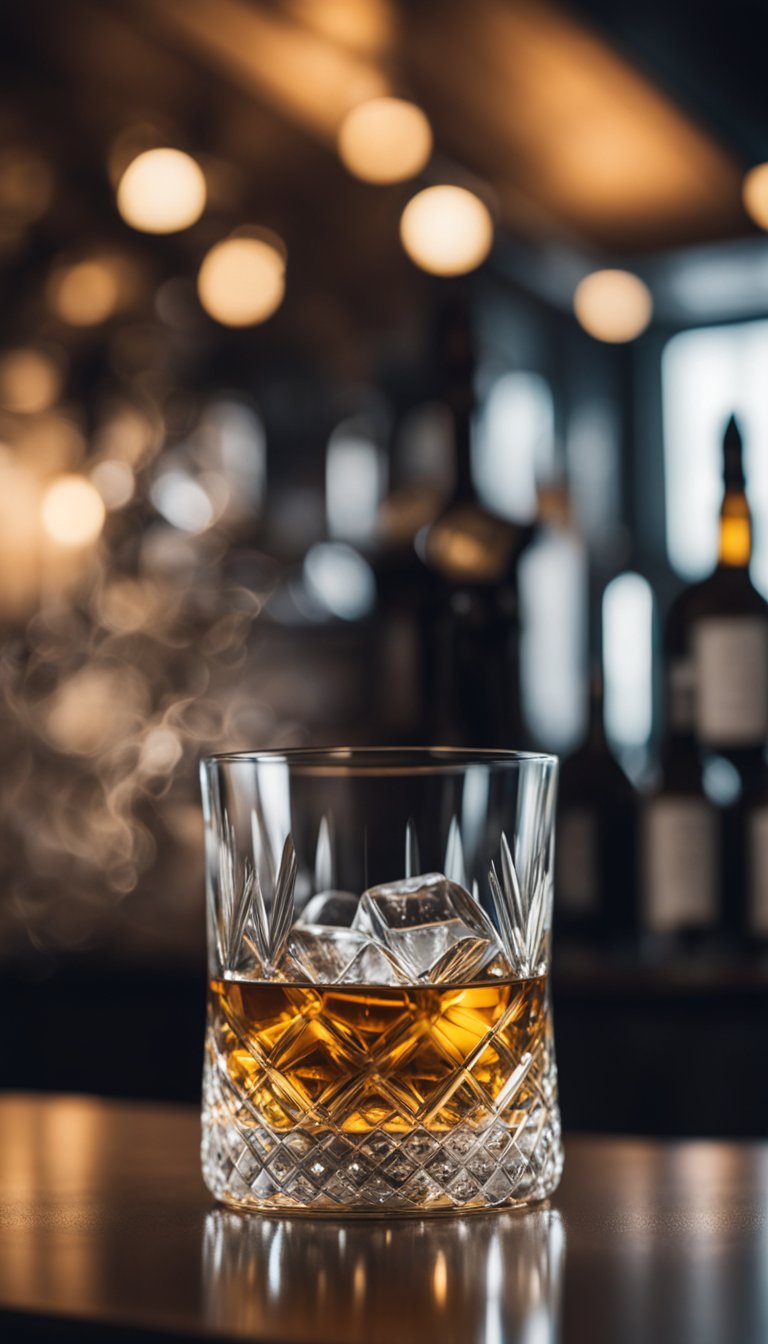
Wholesale Redefined: Direct Orders from Swedish Distillers for Premium Non-Alcoholic Spirits!
Understanding Consumer Preferences in the EU and UK Alcohol-Free Spirit Market
In our previous segment we discussed the underlying principles of market segmentation in the thriving EU and UK whisky market. Alcohol-free drinks are not a problem. The second segment of our series dives deeper into how to get to the bottom of the issue: consumer preferences. Understanding the reasons that lead consumers to drink alcohol-free spirits is vital for companies looking to establish their own niche in this evolving market. Let’s get started on this voyage of exploration.
A Changing Consumer Landscape Evolving Consumer Landscape
Consumer preferences are at the base of any market and the market for alcohol-free spirits is not an exception. These factors illuminate the transforming customer landscape:
Current Health and Wellness Issues
One of the main drivers for the alcohol-free spirit market is the growing global trend towards wellness and health. As consumers become more conscious of their health, they are, seeking products that align to their needs for a healthy and balanced lifestyle. Alcohol-free spirits can be a good option for those who wish to enjoy the flavours and social aspect of drinking without any negative health repercussions associated with alcohol.
Millennial Influence
Generation Y, born between the years 1981 and 1996, are the dominant influencers in shaping the fashions of consumption. This generation prefers experiences over possessions, and is more likely to investigate healthier and new alternatives to alcohol consumption, such as spirits made without alcohol. This is also a significant generation for businesses to market to.
Social Responsibility
People, especially young ones are more responsible when they make purchases. They will choose brands that are ethical, sustainable, and socially conscious. Spirits producers that do not contain alcohol and promote sustainability and responsible production practices often resonate with these consumers.
Flavor Variety
The market for alcohol-free spirits has embraced consumer demand for a variety of tastes. It doesn’t matter if it’s a botanical-infused alcohol-free Gin, a rich alcohol-free whiskey, or a tropical alcohol-free rum The array of flavors can be found to suit different taste preferences. This choice is appealing to people who want the most exciting and unique drinks.
The effects of alcohol Reduction and Abstinence
For those who are trying to cut down on their consumption of alcohol or eliminating the consumption of alcohol liquor-free spirits offer an alternative that is a pleasure. They permit consumers to have fun at social gatherings or relish the pleasure of creating drinks without the negative effects of alcohol.
Essential Considerations for Market Segmentation
Understanding these preferences of the consumer is vital to market segmentation. For effective segmentation of into the EU and UK market for alcohol-free spirits, companies should take into account the following points:
Demographics
Age, gender, income level and geographical location play a crucial role in determining consumer preferences. For instance, younger consumers may be more inclined towards unusual flavors, whereas older consumers may prefer health benefits.
Lifestyle
Lifestyles of consumers greatly impact their choices. Individuals who are active may seek low-calorie or energy-boosting alcohol-free choices, whereas others may be drawn to alcohol-free spirits for relaxing nights at home.
Occasions
Different occasions require various beverages. Businesses should consider how consumers prefer alcohol-free spirits, whether to celebrate a party, social gatherings or personal leisure – and tailor their marketing strategies according to the occasion.
Taste Preferences
Flavor profiles matter. Some consumers like to drink gin with notes from botanicals, while others might prefer the richness and smoky flavor of whiskey. Segmenting markets according to taste preferences allows businesses to target specific niches effectively.
Values and Ethical Concerns
Brands that are popular with consumers adhere to their beliefs. Companies that focus on ethical sourcing, sustainability, and responsible production can connect with the socially conscious consumer.
With these factors taken in consideration, businesses can create targeted marketing campaigns create products that meet specific consumer requirements in addition to establishing a strong standing in the EU and UK Spirits that are alcohol-free.
In our next chapter we’ll look into the competitive landscape of the industry, exploring the key players and strategies that are shaping its future. Follow us for updates on how to stand out in this growing market.
Making a winning strategy regarding the EU and UK Alcohol-Free Spirit Market
Welcome to the third chapter of our trip through and through EU and UK spirits market that are alcohol-free. In the preceding sections we explored segments of the market and consumer preferences in order to reveal the dynamism that businesses need to navigate. This time, it’s time consider how to design an effective strategy in this burgeoning industry.
Understanding the Competitive Landscape
Before diving into the development of a strategy it’s essential to be aware of the landscape of competition. The alcohol-free spirit market is vibrant and competitive, with a multitude of players that are competing to attract consumers’ attention. Here are some crucial perspectives on the state of the market:
Market Growth
The alcohol-free spirit market is booming, with new brands entering the market every day. As consumer demand continues to rise, competition is increasing and it is essential for businesses to distinguish themselves.
Established Players
Some established players dominate the marketplace, and have high brand recognition and loyalty. They’ve set the standard for taste and quality making it tough for aspiring newcomers in the market to break through.
Niche Players
Niche players have achieved success by catering to particular consumer groups or offering distinct flavor profiles. They usually succeed because they are providing solutions to unmet needs in the market.
Crafting Your Unique Selling Proposition (USP)
To be noticed in this competitive arena, businesses must come up with a compelling Unique Selling Proposition (USP). Your USP is what sets you apart and will make consumers prefer your alcohol-free spirits instead of others. Here are a few strategies to consider:
Flavor Innovation
In a marketplace driven by different tastes inventive flavor profiles can transform the way people shop. Explore unique botanicals, infusion methods, and natural extracts to make unique offerings.
Health and Wellness Focus
In light of the health-consciousness trend that is sweeping consumers, highlighting the health benefits of alcohol-free spirits can be an appealing USP. Focus on low-calorie, sugar-free and natural ingredients.
Sustainability and Ethics
Consumers increasingly support brands that value sustainability, ethical sourcing and responsible production. Promote your firm’s commitment to these values in your packaging and marketing.
Marketing and Branding
Effective marketing and branding is vital. Create a distinctive brand identity that resonates with the target market and tells an interesting story. Invest in eye-catching packaging that communicates your brand’s core.
Partnerships and Collaborations
Get involved with influencers. Bars or restaurants, as well as event hosts to increase your reach. Strategic partnerships allow you to introduce your products to a bigger population.
Targeted Marketing and Consumer Education
After you’ve identified your USP After that, you can concentrate on marketing as well as consumer education. Here’s how you can approach it:
Digital Marketing
Leverage the power of digital marketing to connect with your ideal customers. Make sure you invest in search engine optimization (SEO) to ensure your website is ranked well in search results. Use social media to engage with your audience and promote products.
Content Creation
Produce valuable content to educate consumers about the benefits as well as versatility of alcohol-free spirits. Blog posts, videos, and infographics can help consumers understand how to integrate your product into their everyday lives.
Tasting Events
Hold tastings at restaurants, bars and festivals without alcohol. Offering consumers the chance to experience your brand’s spirit in person is a powerful sales technique.
Customer Support
Excellent customer support is provided for inquiries and to build trust. Responsive and knowledgeable customer service will make potential customers loyal customers.
In the next part we’ll explore distribution channels and the best ways to effectively get your product in the hands of consumers. Keep watching for tips on expanding your reach in the market and making your alcohol-free spirits easily accessible to a wider market.

Involving Distribution Channels: How to get Your Alcohol-Free Spirits into the hands of consumers
In our investigation of this EU and UK alcohol-free spirit markets, we’ve looked at market segmentation, preferences of consumers, and the art of crafting an effective Unique Selling Proposition (USP). Now, we’re turning our attention to an equally vital aspect of success: distribution channels. What are the best ways to get your alcohol-free drinks into the hands of eager consumers? Let’s dive in.
Understanding Distribution Dynamics
Before developing your distribution strategy it is crucial to comprehend what’s happening in the alcohol-free spirit market. Here are some key information about how distribution is currently going:
Traditional Retail
Traditional retail channels such as supermarkets and liquor stores, have traditionally been the principal distribution channels for alcoholic beverages. However, the market is changing as consumers look for healthier options.
Online Retail
E-commerce has transformed the distribution of spirits that are alcohol-free. Platforms online allow consumers to look through a variety of options, making it a viable channel for emerging brands.
Specialty Stores
Specialty stores that cater to people who are concerned about their health or looking for unique items have become valuable distribution partners. Make a plan to partner with these stores to tap into small markets.
Restaurants and bars
Bars and restaurants can play a significant role in introducing consumers spirits that are alcohol-free. Collaboration with establishments is essential to include your product on their menus.
How to Create Your Distribution Strategy
Now that you have an understanding of the distribution dynamics Let’s create a winning distribution strategy:
Multi-Channel Approach
Consider a multi-channel distribution approach to reach a broader group of customers. Combine traditional retail, ecommerce, and specialty stores to boost your reach to the market.
Online Presence
Invest in an effective online presence. Create a user-friendly online store that allows customers to browse, purchase, and learn more about products. Optimize your website with search engines (SEO) for improved online visibility.
E-Commerce Partnerships
Find partnerships with online retailers, like Amazon or special alcohol-free spirit marketplaces. These platforms have their own communities eager to discover new products.
Wholesale Partnerships
Get in touch with wholesalers or distributors who specialize in alcohol-free beverages. The networks they have built are established, and can help you reach an array of retailers.
Direct-to-Consumer (DTC)
Consider a Direct-to-Consumer (DTC) design, in which you sell your spirit that is alcohol-free directly to consumers via your website. DTC will result in greater profit margins and better relationship with customers.
Regulatory Compliance
The alcohol-free spirit market also involves compliance with standards of regulation. It is important to ensure that your spirits meet all legal standards, and then obtain the necessary permits and licenses to distribute.
Consumer Education
It is essential to educate consumers about your products. is essential for a successful distribution. Try these ideas:
Informative Website
Create a website that offers details on the products you purchase such as cocktail recipes, most frequently requested inquiries (FAQs). This can assist customers in making informed choices.
Tasting Events
Then, host tastings at different distribution centers, allowing customers to sample your alcohol-free drinks. The events allow for hands-on interaction and increase brand loyalty.
Social Media
Utilize social media platforms to engage with your customers and provide material that informs them about your products and the benefits they can provide. your products.
This is the introduction to the following section for Keeping Market Relevance
In closing this section on distribution channels, it’s crucial to stress that getting your alcohol-free spirits into the consumers’ hands is only the beginning. In the following section we’ll examine strategies to maintain market relevance and constantly meeting the changing demand from consumers. Keep your eyes peeled for information on innovation in product design and staying ahead of the pack.
Sustaining Success: Navigating EU and UK Alcohol-Free Spirit Market – Part 5.
Welcome to the third installment of our series that covers The EU and UK market for alcohol-free spirits. In this concluding piece, we’ll delve into the critical aspects of maintaining market relevance and summarize the main takeaways from our journey. Let’s begin this last part of our exploration.
Staying ahead of the curve through innovation
As the alcohol-free spirit market is constantly evolving keeping ahead of the market is vital. Here’s how you can innovate to stay relevant in the market:
New Product Development
Insist on research and development in order to develop new alcohol-free spirits that can adapt to changing consumer preferences. Develop unique flavors such as ingredients, packaging and packaging to capture consumer attention.
Health and Wellness Focus
Focus on the health and wellness aspects of your product. You should highlight the nutritional advantages, the natural ingredients, as well as how your alcohol-free spirits can be part of a balanced diet.
Sustainable Practices
Implement sustainable practices in production and packaging. Eco-friendly choices resonate with environmentally conscious consumers and can set your brand apart.
Marketing and branding
Marketing and branding that is effective are essential to sustain success. Take a look at the following strategies:
Storytelling
Be sure to tell your story via engaging content. Let your audience know about the journey, values and the reason for the alcohol-free spirit you sell to reach out to consumers on a higher level.
Collaborations with Influencers
Engage with influential personalities in areas such as health, wellness or mixology sectors. Their endorsement could increase your reach and boost credibility among the target audience.
User-generated Content
Encourage consumers to comment on their experiences using your products on social media. User-generated content can foster an atmosphere of community and credibility around your brand.
Reacting to Trends in Consumer Behavior
The trends in the marketplace are constantly changing. To remain relevant, keep track and keep up with these trends:
Health and Wellness Trends
With the increasing awareness of health, align your products to wellness trends. Offer sugar-free, low-calorie or alcohol-free functional spirits to meet the demands of customers.
Cultural Celebrations
Incorporate cultural celebrations into your holidays. Make special cocktails or editions made for these occasions to capitalize on seasonal demand.
Review of Our Journey
In this series, we’ve traversed the maze of the EU and UK alcohol-free spirit market. Let’s recap the key takeaways from each piece:
Article 1: Market Segmentation
Understanding the target market and segmenting the market is vital for the success. Find niches in the alcohol-free spirit market to create your products in a way that is effective.
Article 2: Crafting a Compelling USP
Crafting a Unique Selling Proposition (USP) helps differentiate your brand. You should identify what sets your alcohol free spirits apart, whether it’s quality, taste, or environmental sustainability.
Article 3: Distribution Channels
Effective distribution is critical. Embrace a multi-channel approach, invest in ecommerce, and consider partnerships to reach a wider audience.
4. Regulatory Compliance and Consumer Education
Compliance with the law is a requirement. Inform consumers about your product via informative website, tastings, and through social media.
Article 5: Sustaining Success
Innovation as well as branding and adaption is the most important factor to ensure success. Pay attention to consumer fashions, focus on wellness and take time to appreciate cultural moments.
Conclusion
In the highly competitive EU and UK alcohol-free spirit markets, sustained success requires constant evolution. From market segmentation to distribution methods, regulation compliance, and innovation We’ve covered the most important aspects to succeeding in this business.
Remember that success isn’t fixed; it’s about a journey that is constantly improving and adapting. Through staying flexible, focusing on the consumer, and innovative it is possible to navigate the market for alcohol-free spirits successfully.
Thank you for joining us through this trip. We hope that these insights will enable you to make a better decision and thrive in this dynamic market. Here’s to your continued success and success in this world full of spirits that are alcohol free!
Leave a Reply